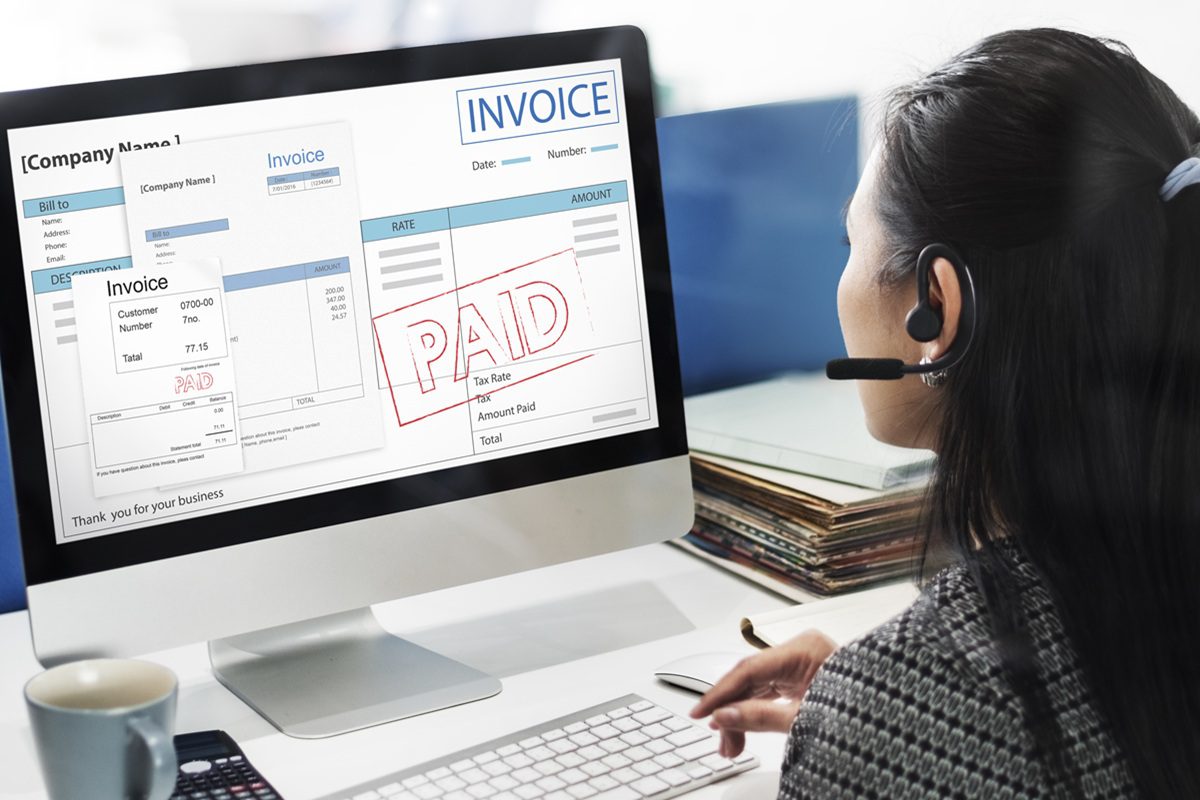
In an increasingly digital business environment, Malaysia is taking a significant step forward by implementing e-invoicing as part of its national tax compliance initiative. E-invoicing streamlines the invoicing process by enabling the digital exchange of invoice data between suppliers, buyers, and the Inland Revenue Board of Malaysia (LHDN). This article breaks down how the e-invoicing process works. From invoice creation to government validation and final delivery, this article highlights the benefits of adopting this system. You’ll also gain insights into the key components of an e-invoice, the phased implementation timeline, and how businesses can prepare for this transition effectively.
What Happens Behind the Scenes of E-Invoicing?
At its core, e-invoicing is the digital exchange of invoice information between a supplier and a buyer, with government validation in between. It replaces the traditional paper or PDF invoice with a structured digital format, ensuring faster processing, better transparency, and easier compliance with tax regulations.
Once a business creates an invoice, the data is sent in a specific electronic format to the Inland Revenue Board of Malaysia (LHDN). LHDN then validates the invoice to ensure the details are accurate, complete, and compliant with tax rules. If everything checks out, LHDN returns a validated version of the invoice, complete with a unique identifier and digital certificate. Only then can the supplier send it to the buyer.
Traditional vs. Digital: How E-Invoicing Changes the Game
| Aspect | Traditional Invoicing | E-Invoicing |
| Format | Paper or PDF via email | Structured digital format (e.g., XML, JSON) |
| Submission | Manually sent to clients | Submitted through the IRBM e-Invoice portal or API |
| Processing Speed | Slower, prone to human error | Real-time validation and faster processing |
| Compliance | Subject to manual audits and storage | Complies with LHDN guidelines and e-storage rules |
| Integration | Rarely integrated with systems | Easily integrates with ERP/accounting software |
| Cost & Efficiency | Higher overhead (printing, postage, time) | Reduces costs and improves workflow automation |
| Error Correction | Manual edits or deletion | 72-hour window for cancellation/rejection |

The E-Invoicing Process in Malaysia
Understanding how the e-invoicing process works in Malaysia is essential for smooth adoption. The Inland Revenue Board of Malaysia (LHDN) has introduced a clear, step-by-step workflow to ensure accuracy and tax compliance throughout the invoicing cycle.
Here’s a breakdown of how the process works:
1. Invoice Creation
The supplier generates the invoice using internal software. Must follow LHDN’s required format including:
- Seller and buyer details
- Tax identification numbers
- Item descriptions and tax breakdown
- Total payable amount
2. Submission to LHDN
Invoice submitted electronically via:
- MyInvois Portal
- Certified software through API integration
3. Validation by LHDN
LHDN checks invoice completeness and accuracy. Validated invoices are returned with:
- Unique Identifier Number (UIN)
- Digital certificate for authenticity
4. Delivery to Buyer
Validated invoice sent to buyer using:
- Internal systems
- MyInvois Portal
- Certified e-invoicing solution providers
5. Storage and Recordkeeping
Both buyer and seller must:
- Retain validated invoices digitally
- Ensure secure storage and easy retrieval
- Comply with minimum retention period as required by LHDN
This entire process supports real-time validation and eliminates the need for post-transaction adjustments. It also offers a more transparent and reliable invoicing method, especially for tax reporting and audits.
Key Components of an E-Invoice
To function properly, an e-invoice must contain several mandatory elements. These include the taxpayer identification numbers (TIN) of both the seller and buyer, invoice date, unique invoice number, description of goods or services, tax breakdowns, and total amount payable.
LHDN requires four specific document types to be handled through this system:
- Invoices
- Credit Notes
- Debit Notes
- Refund Notes
The format follows a structured data standard, commonly XML or JSON, which allows systems to read and process the information automatically. Unlike a traditional invoice, this structure ensures accuracy, traceability, and faster integration into accounting or ERP systems.
It is important to note that businesses must issue e-invoices for both B2B and B2C transactions, depending on their tax registration threshold. LHDN has outlined a phased implementation timeline, so keeping up with deadlines is essential to avoid penalties.

E-Invoice Implementation Timeline in Malaysia
The Malaysian Inland Revenue Board (LHDN) has updated the e-Invoicing implementation timeline into multiple phases based on annual turnover. Mandatory compliance will be rolled out progressively, with the final phase starting in July 2026.
- 1 August 2024: Mandatory for businesses with annual turnover exceeding RM100 million.
- 1 January 2025: Mandatory for businesses with annual turnover more than RM25 million and up to RM100 million.
- 1 July 2025: Mandatory for businesses with annual turnover more than RM5 million and up to RM25 million.
- 1 January 2026: Mandatory for businesses with annual turnover more than RM1 million and up to RM5 million.
- 1 July 2026: Mandatory for businesses with annual turnover up to RM1 million.
Exempted: Taxpayers with an annual turnover or revenue of below RM500,000 are currently exempted from issuing e-invoices.
Note on Consolidated E-Invoicing
Starting 1 January 2026, a new restriction applies: businesses cannot issue consolidated e-invoices for any single transaction exceeding RM10,000. These high-value sales must have an individual e-invoice, even if the buyer doesn’t request one. For transactions below RM10,000, you may still aggregate receipts and submit a consolidated invoice within 7 days of the month’s end.
To determine where your business fits in, refer to:
- Audited financial statements (Statement of Comprehensive Income, FY2022)
- Non-audited statements (2022 Income Tax Return Form)
- Accounting year changes, where revenue will be pro-rated to cover a 12-month period.
Consequences of Non-Compliance: Fines & Penalties
Failure to issue a mandatory e-invoice constitutes an offence under Section 120(1)(d) of the Income Tax Act 1967. Businesses that do not comply may be subject to:
- Fines ranging from RM 200 to RM 20,000 for each non-compliance record.
- Imprisonment for up to 6 months, or both fine and imprisonment, depending on circumstances.
- Tax audits, increased scrutiny, and compliance costs beyond immediate penalties.
Note: While not a direct statutory penalty, failure to issue validated e-invoices may affect your ability to support certain tax deductions under general tax rules, which underscores the importance of timely compliance.
How to Start Using E-Invoicing in Malaysia
Getting started with e-invoicing in Malaysia involves the following key steps:
1. Register with MyInvois
Businesses must register through LHDN’s MyInvois system.
2. Integrate Software
Integrate your accounting software with the MyInvois API. Alternatively, use a certified e-invoice provider.
3. Train Your Team
Training is essential for everyone involved in finance, sales, or procurement to understand the process and avoid mistakes.
4. Conduct Internal Testing
Perform internal testing to ensure smooth operations before going live.
5. Upgrade Software if Necessary
If your current software does not support e-invoicing, consider upgrading or choosing a third-party platform that meets the government’s technical and security standards.
Summary: A Future-Proof Approach to Invoicing
E-invoicing is not just another compliance requirement. It is a practical step forward for businesses in Malaysia aiming to modernize operations and stay ahead in a digital economy. By automating invoice validation, ensuring tax compliance, and reducing administrative costs, e-invoicing delivers real value. Whether you run a small business or a large enterprise, understanding the system now will help you stay compliant and efficient in the long run. To explore more digital solutions that support this transition, visit Zoomo Tech Malaysia.