Selling in Malaysia has never been more competitive. Nearly two-thirds of Malaysians now shop online, with online shopping adoption increasing by 16% over the previous year. As businesses compete across marketplaces, social commerce platforms, and direct-to-consumer channels, keeping inventory accurate and available becomes increasingly challenging.
Inventory management rarely gets the same attention as sales or marketing, yet it has a direct impact on both. Every purchasing decision, stock shortage, delayed order, and excess product on the shelf traces back to how inventory is managed. In this article, we’ll examine why inventory management is important, what it involves in practice, and how businesses can benefit from getting it right.
What is Included in Inventory Management?
Inventory management encompasses the end-to-end process of sourcing, storing, tracking, and moving goods. In practice, this means:
- Monitoring stock levels across locations and updating them in real time or at set intervals
- Setting reorder points and managing purchase orders with suppliers
- Receiving and verifying incoming goods against purchase orders
- Organising storage locations for efficient picking and retrieval
- Tracking stock movements (including transfers, adjustments, returns, and write-offs)
- Forecasting future demand to inform purchasing decisions
- Reconciling physical counts against system records
- Reporting on stock valuation, turnover, and cost of goods sold
It is both an operational function and a financial one, which is why it sits at the intersection of so many business departments.
What Kinds of Businesses Need Inventory Management?

Any business that holds physical goods at any stage of its operations needs some form of inventory management. This includes:
- Retail: Managing finished goods across physical stores, e-commerce platforms, and fulfilment centres.
- Manufacturing: Tracking raw materials, work-in-progress inventory, and finished products throughout production.
- Wholesale and Distribution: Managing large inventory volumes across multiple customers, warehouses, and locations.
- Healthcare and Pharmaceuticals: Monitoring consumables, medical equipment, and regulated inventory.
- Hospitality and Food Service: Managing perishable inventory with strict shelf-life requirements using a food inventory management system to track stock levels and expiry dates.
- Construction and Engineering: Tracking tools, materials, and equipment across multiple project sites.
- Rental Businesses: Managing assets that are rented out, returned, maintained, and redeployed.
Regardless of industry, effective inventory management comes down to one thing: keeping products available to meet demand while minimising waste, delays, and excess inventory.
What Types of Inventory are Involved?
Inventory is not a single category. Businesses typically manage several distinct types:
- Raw materials: Inputs purchased from suppliers and used in production
- Work-in-progress (WIP): Items currently being manufactured or assembled
- Finished goods: Completed products ready for sale or dispatch
- Maintenance, repair, and operations (MRO) supplies: Consumables and equipment used to keep operations running, not sold directly to customers
- Packaging materials: Boxes, labels, and materials used in product fulfilment
- Safety stock: Buffer inventory held to absorb unexpected demand spikes or supply delays
Each type requires slightly different handling and tracking logic. A manufacturer, for example, needs to manage all six. A retailer primarily manages finished goods and packaging.
Why is Inventory Management Important?
1. Supply Chain Optimisation

Inventory management sits at the heart of supply chain performance. Every link in the chain (from supplier lead times and warehouse capacity to order fulfilment) is affected by how well stock is planned and controlled.
- Demand forecasting: Effective inventory management helps businesses align purchasing with actual demand rather than guesswork. Historical sales data, seasonal patterns, and market signals can be used to anticipate future inventory requirements and avoid both overstocking and stock shortages.
- Reorder point management: Businesses can set a minimum stock level for each item. When inventory falls below that level, it’s time to reorder, helping prevent out of stock item without holding more inventory than necessary.
- Supply chain resilience: When disruptions arise, businesses with strong inventory tracking can respond faster. Knowing what inventory is available, where it is located, and what is already on order makes it easier to manage supplier delays, demand spikes, and other unexpected challenges.
2. Financial Implications

Inventory affects profitability, cash flow, and financial reporting. As a result, inventory management is as much a financial discipline as it is an operational one.
- Cost of goods sold (COGS): This is the cost of making or acquiring the products a business sells. Accurate inventory records help ensure profit calculations are based on real costs rather than estimates.
- Cash flow: Every item sitting unsold on a shelf represents money that cannot be used elsewhere. Managing inventory efficiently helps free up cash for day-to-day operations and growth.
- Profitability: Holding more inventory than necessary increases costs, from storage and insurance to spoilage, obsolescence, and waste. Managing inventory (especially perishable or time-sensitive goods) effectively helps keep those expenses under control.
- Financial reporting: Inventory is one of the largest assets many businesses hold. Accurate stock records support more reliable financial reporting and make it easier to meet audit and compliance requirements.
3. Operational Efficiency and Accuracy
Poor inventory management creates inefficiencies throughout the business. Orders take longer to fulfil, inventory is harder to locate, and errors become more common.
- Inventory accuracy: Reliable stock records reduce picking mistakes, inventory discrepancies, and fulfilment errors.
- Process efficiency: Clear storage locations and structured workflows improve receiving, picking, packing, and returns management.
- Reduced manual work: Barcode and RFID technologies automate data capture, reducing manual entry and improving accuracy.
Over time, these improvements compound, creating faster workflows, lower labour costs, and more predictable operations.
4. Technology and the Shift Toward Automation
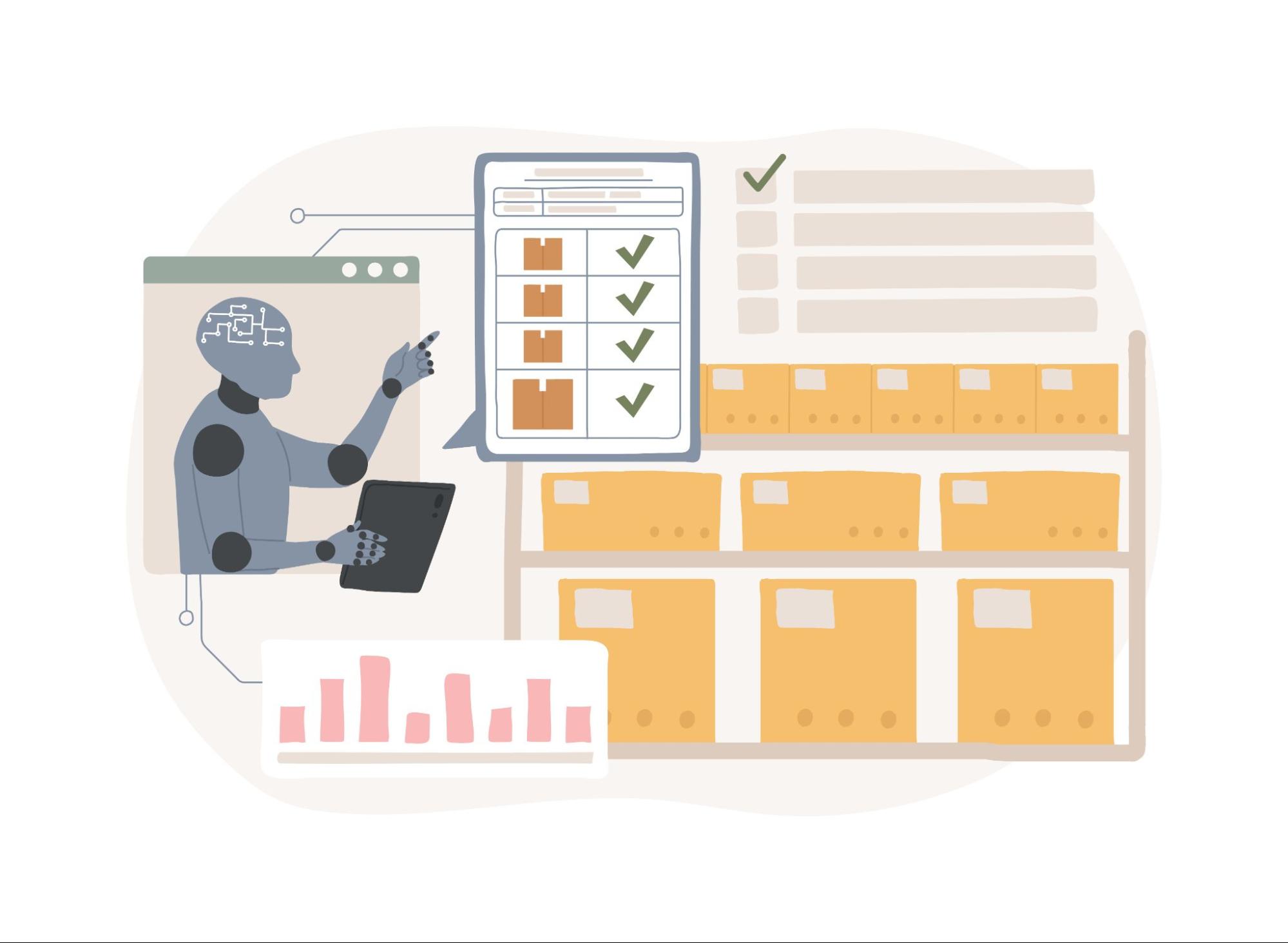
Modern inventory management systems have transformed inventory control from a largely manual process into a data-driven one.
- System integration: Inventory platforms can connect with POS systems, e-commerce platforms, ERP software, and logistics providers, ensuring inventory records stay current across the business.
- Real-time tracking: Every sale, return, transfer, and receipt can update inventory records automatically, providing a more accurate view of available stock.
- Automation and scalability: Reorder alerts, forecasting tools, barcode scanning, and cloud-based platforms reduce administrative effort while supporting business growth.
As inventory operations become more complex, automation helps businesses maintain accuracy without increasing manual workload.
5. Customer Experience and Demand Fulfilment
Although inventory management happens behind the scenes, its impact is highly visible to customers.
- Product availability: Accurate inventory records help prevent out of stock item and reduce the risk of selling products that are not actually available.
- Order fulfilment: Better inventory tracking supports faster and more reliable order processing.
- Demand planning: Understanding buying patterns helps businesses prepare for seasonal demand, promotions, and market shifts without running short on stock.
Ultimately, customers judge a business by whether products are available and delivered as promised. Effective inventory management makes that consistency possible.
The Role of an Inventory Management System
Knowing what good inventory management looks like is one thing. Having the tools to execute it consistently at scale is another. This is where an inventory management system (IMS) becomes essential.
An IMS enables businesses to manage inventory through a centralised system rather than a combination of spreadsheets, manual counts, and knowledge held by individual employees. Maintaining a single source for inventory data, it improves accuracy, tracking , and consistency across operations.
In practice, this means:
- Real-time stock tracking across all locations and channels, so decisions are based on current data rather than estimates
- Automated reorder triggers that ensure replenishment happens on time without manual monitoring
- Integration with procurement, sales, and accounting systems, so inventory data flows across departments without duplication or lag
- Demand forecasting tools that use historical data to project future needs and inform purchasing
- Audit trails that document every stock movement, supporting compliance and financial reporting
- Reporting and analytics that surface slow-moving stock, carrying cost data, and fulfilment performance
The system does not replace the need for good process and sound judgement, but it removes the manual overhead that makes consistent execution difficult. For businesses managing high volumes, multiple locations, or complex product mixes, an IMS is not optional infrastructure, it becomes the operational backbone that everything else depends on.
For a detailed breakdown of what types of inventory management systems there are and what to look for when choosing one, visit our guide: Most Common Types of Inventory Management Systems Explained
Conclusion
Inventory management is important because stock is not just a warehouse concern, it is a financial asset, an operational input, a supply chain variable, and a direct driver of customer experience. Businesses that manage it well gain better control over costs, more reliable operations, and a stronger ability to meet demand consistently.
Structured inventory management is no longer out of reach for businesses of any size. The tools, methods, and systems available today make it possible to build a more accurate, efficient, and scalable operation. Ready to optimise your inventory management processes? Speak with us today to explore what a custom inventory management system in Malaysia could look like for your business.
Frequently Asked Questions on Why Inventory Management is Important in Business
1. What is the main purpose of inventory management?
The main purpose of inventory management is to ensure businesses have enough stock to meet demand without holding more inventory than necessary. It helps balance product availability, operational efficiency, and inventory costs.
2. What happens when inventory is not managed properly?
Poor inventory management can lead to out of stock item, excess inventory, inaccurate records, delayed fulfilment, and higher operating costs. Over time, these issues can affect profitability, cash flow, and customer satisfaction.
3. Is inventory management only relevant for large businesses?
No. Any business that stores, sells, manufactures, or uses physical goods can benefit from inventory management. While the tools and processes may differ, the need to track and control inventory applies to businesses of all sizes.
4. How does inventory management affect cash flow?
Inventory ties up money until products are sold. Holding too much stock can restrict cash flow, while effective inventory management helps businesses maintain the right inventory levels and keep more capital available for other priorities.
5. What is the link between inventory management and customer satisfaction?
Customers expect products to be available and delivered on time. Accurate inventory records help businesses avoid out of stock item, fulfil orders reliably, and provide a smoother overall customer experience.
6. What is the difference between inventory management and warehouse management?
Inventory management focuses on tracking and controlling stock levels, movement, and value. Warehouse management focuses on the physical handling of inventory, including receiving, storage, picking, packing, and shipping.
7. How does demand forecasting fit into inventory management?
Demand forecasting helps businesses estimate future inventory needs based on sales history, trends, and market conditions. This supports more accurate purchasing decisions and reduces the risk of overstocking or stock shortages.