
Malaysia’s manufacturing sector is rapidly embracing digital transformation. Under the New Industrial Master Plan 2030, the government aims to establish 3,000 smart factories by 2030. As manufacturers modernise their operations, having accurate tracking over manufacturing inventory is becoming increasingly important.
This article explains what manufacturing inventory is, the different types of manufacturing inventory, key production control considerations, and the role of manufacturing inventory software.
What is Manufacturing Inventory?
Manufacturing inventory, also called production inventory, is the complete set of materials, components, and goods a manufacturer tracks and manages throughout the production cycle. It spans everything from the raw inputs sourced from suppliers to the finished products ready to ship to customers.
Unlike retail inventory, which only accounts for items ready to sell, manufacturing inventory exists across multiple stages at once. A manufacturer at any given moment holds materials waiting to be processed, goods in the middle of production, and completed products sitting in the warehouse. Managing all three simultaneously is what makes manufacturing inventory both complex and critical.
Why is Manufacturing Inventory Important?
Manufacturing inventory is more than a record of materials and products. It plays a critical role in keeping operations running efficiently and supporting overall business performance.
- Supports production: Raw materials and components must be available before production can begin.
- Maintains workflow: Tracking goods throughout the production process helps prevent delays and disruptions.
- Enables fulfilment: Finished goods inventory determines what can be delivered to customers.
- Impacts financial performance: Inventory is a business asset that affects cash flow, profitability, and financial reporting.
- Provides operational insight: Inventory levels can highlight issues such as overproduction, supply shortages, or changing demand.
- Connects the supply chain: Inventory links procurement, production, warehousing, and fulfilment into a single operational flow.
As inventory influences every stage of the manufacturing process, effective manufacturing inventory management is essential for maintaining efficiency, controlling costs, and supporting long-term business growth. To learn more, read our guide on why inventory management is important for businesses.
What Types of Inventory Are Involved in Manufacturing?
Manufacturing inventory is not a single category. It breaks down into several distinct types, each playing a specific role in the production process.
1. Raw Materials Inventory
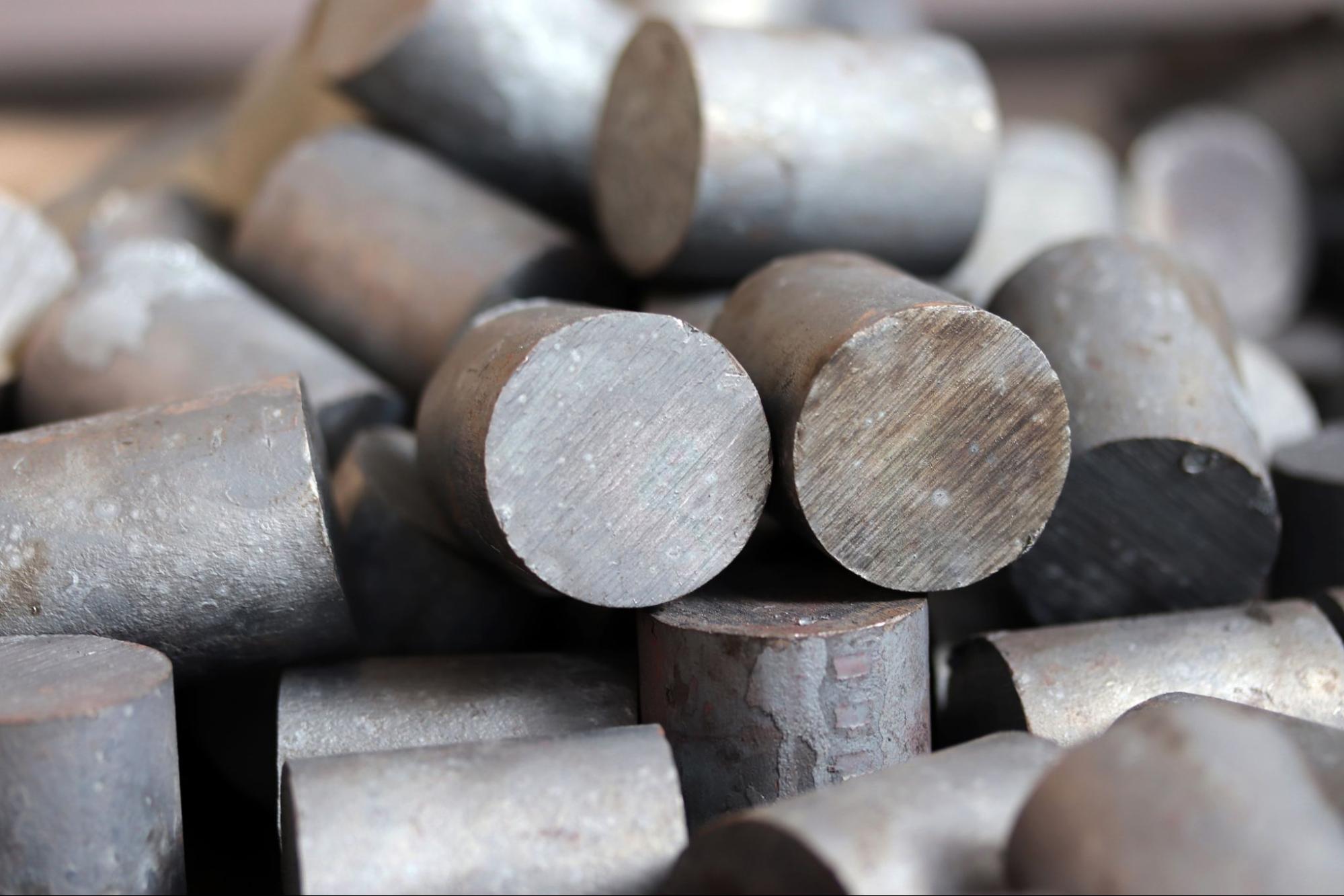
Raw materials are the basic inputs used to make a product. This includes metals, chemicals, plastics, textiles, food ingredients, and any other unprocessed or minimally processed materials that enter the production line. Without a reliable supply of raw materials, production cannot begin.
Inventory management focus: Keep stock levels lean while ensuring materials are available when needed.
2. Work-In-Process (WIP) Inventory
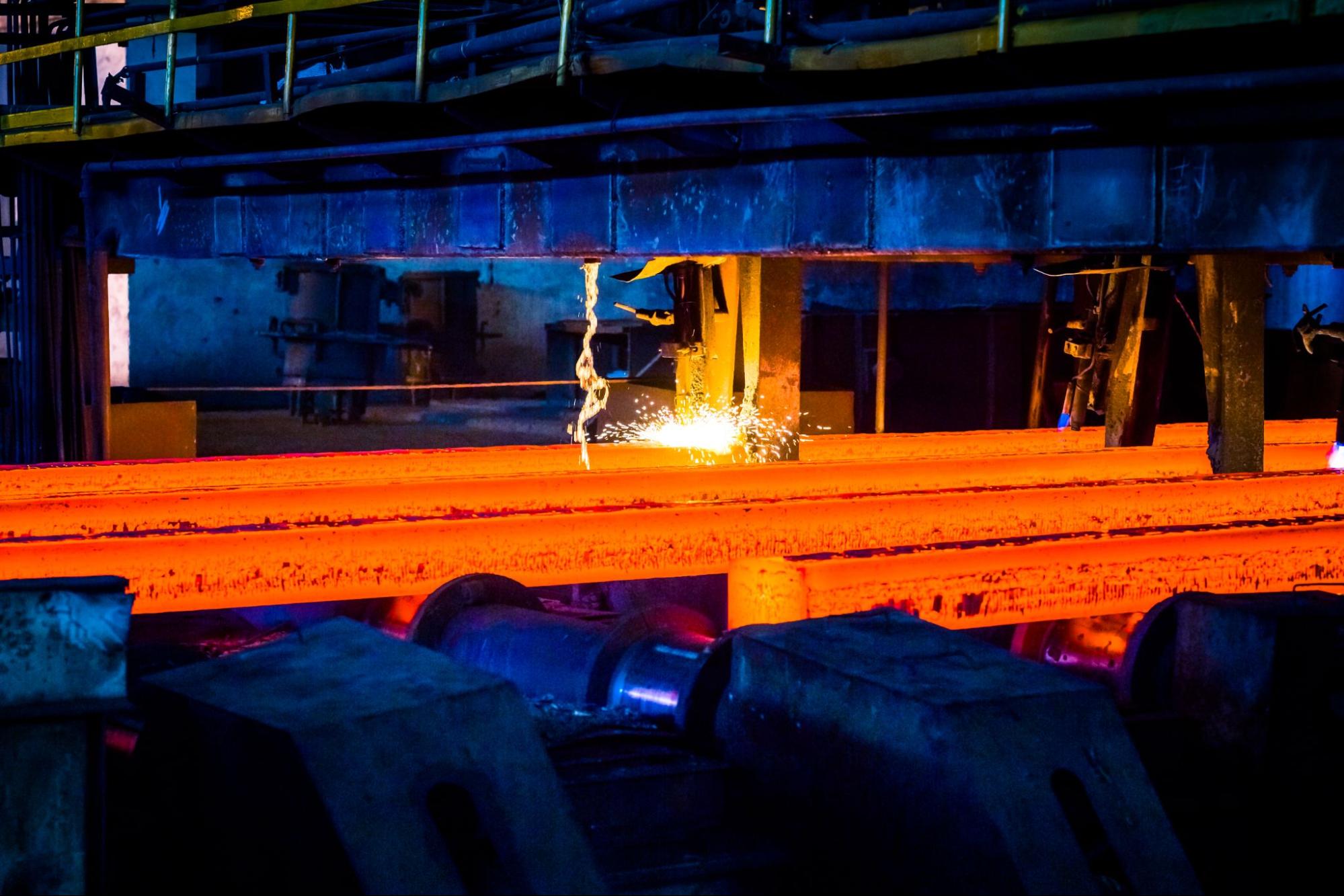
Work-in-process inventory refers to goods that are partially through the production cycle. They are no longer raw materials but are not yet finished products. WIP inventory includes the value of materials, labour, and production costs already invested in an item.
Inventory management focus: Track progress and quality at every production stage.
3. Finished Goods Inventory

Finished goods are products that have completed the production process and are ready for sale or distribution. Managing finished goods inventory effectively helps businesses meet customer demand, support order fulfilment, and maximise revenue potential without tying up excessive capital in unsold stock.
Inventory management focus: Balance stock availability with customer demand.
4. MRO Inventory (Maintenance, Repair, and Operations)
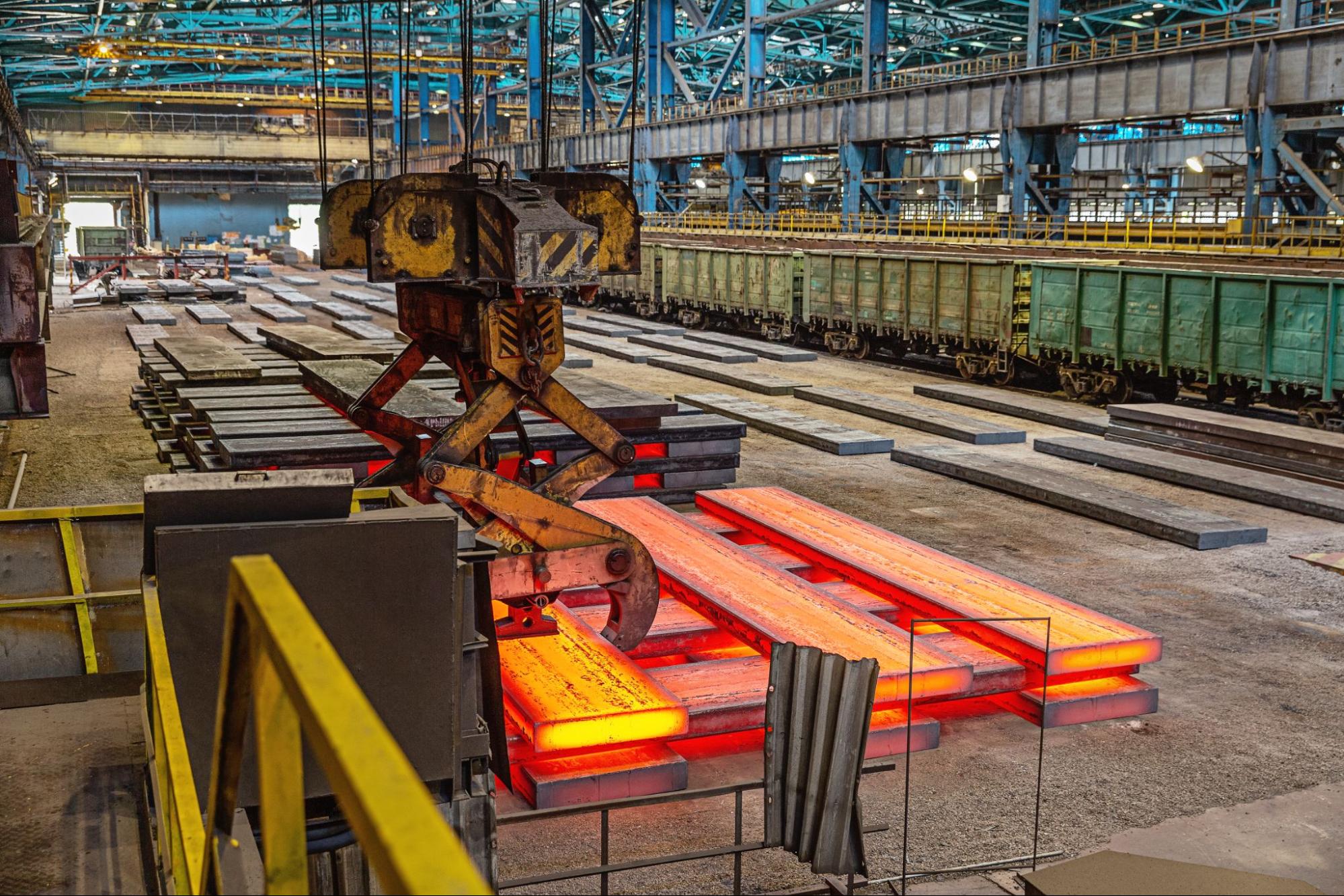
MRO inventory covers the supplies needed to keep production equipment and facilities running. This includes tools, lubricants, safety equipment, spare parts, and cleaning supplies. MRO items do not become part of the final product but are essential to keeping the line moving.
Inventory management focus: Ensure essential supplies are available to prevent equipment downtime.
5. Decoupling Inventory

Decoupling inventory is buffer stock held strategically to prevent a disruption in one part of the production line from halting everything else. It is particularly important for manufacturers that rely on specific materials or have complex, multi-stage production processes.
Inventory management focus: Maintain buffer stock to minimise production disruptions.
6. Inventory Packaging

Packaging inventory covers all materials used to pack, protect, and present a finished product. This includes boxes, labels, wrapping, and shipping materials. For high-volume manufacturers, tracking packaging stock is as important as tracking the product itself since a packaging shortage can delay fulfilment just as much as a raw material shortage.
Inventory management focus: Maintain adequate packaging supplies to support fulfilment operations.
How Manufacturing Inventory Affects Accounting
Not only is manufacturing inventory important for production planning, but it is also important for financial reporting. The value of inventory affects a company’s assets, cost of goods sold (COGS), profitability, and overall financial performance.
The three main inventory categories recognised in manufacturing accounting are:
- Raw materials: Materials and components waiting to enter production.
- Work-in-process (WIP): Partially completed goods that include material, labour, and production costs.
- Finished goods: Completed products ready for sale or distribution.
Accurate inventory records are essential because inventory values directly influence COGS and gross profit calculations. Errors in inventory tracking can lead to inaccurate financial reporting and business decisions.
To value inventory, manufacturers commonly use accounting methods such as:
- FIFO (First-In, First-Out): Assumes the oldest inventory is used or sold first.
- Weighted Average Cost: Calculates inventory value using the average cost of all available units.
The most suitable method depends on factors such as product type, inventory turnover, and accounting requirements.
Methods for Manufacturing Inventory Management
There is no one-size-fits-all approach to manufacturing inventory management. The right method depends on a manufacturer’s operations, production requirements, and demand levels. Some of the most common methods include:
- Just-In-Time (JIT): JIT minimises stock on hand by ordering and receiving materials only as they are needed for production. It reduces storage costs and waste but requires highly reliable suppliers and accurate demand forecasting.
- Material Requirements Planning (MRP): MRP uses production schedules and bill-of-materials data to calculate exactly what materials are needed, in what quantities, and when. It is well suited to manufacturers with complex, multi-component products.
- Economic Order Quantity (EOQ): EOQ determines the optimal order size that minimises total inventory costs, balancing ordering costs against holding costs. It works best for items with relatively stable demand.
- ABC Analysis: ABC analysis categorises inventory by value and usage frequency. High-value, fast-moving items (A) receive the most management attention, while low-value, slow-moving items (C) are tracked with less intensity. This helps prioritise resources where they matter most.
- FIFO and FEFO: FIFO (First In, First Out) and FEFO (First Expired, First Out) are stock rotation methods. FEFO is particularly important for manufacturers dealing with perishable goods or items with expiry dates, ensuring older or sooner-expiring stock is used before newer stock.
- Perpetual Inventory: Perpetual inventory systems update stock levels in real time with every transaction. This gives manufacturers up-to-date tracking but requires reliable software and barcode or RFID scanning infrastructure.
Practical Tips for Managing Manufacturing Inventory Effectively
- Keep your inventory data in one place: When stock information is scattered across different spreadsheets or departments, it is easy for things to fall through the cracks. Having one central system that everyone works from reduces confusion and prevents costly discrepancies.
- Know when to reorder before you run out: Do not wait for an item to be out of stock to trigger a purchase order. Work out how long it takes to receive each material and how quickly you use it, then set a reorder point that gives you enough runway.
- Check on slow-moving stock regularly: Stock that has been sitting for months is quietly costing you money in storage and tied-up capital. A regular review helps you decide what to clear out, repurpose, or stop ordering altogether.
- Make sure purchasing knows what production is planning: Buying and production should not be working from different pages. When procurement is aligned with the production schedule, you order what you actually need, when you need it, and avoid both over-buying and last-minute shortages.
- Invest time in training your team: Good inventory records depend on people entering data correctly and consistently. Clear procedures for recording stock movements, receipts, and transfers make a bigger difference than most businesses expect.
- Use technology to handle the repetitive work: Barcode scanners, automatic reorder alerts, and live stock reports take the manual effort out of tracking. The less your team has to update manually, the fewer errors end up in your records.
What to Look for in Manufacturing Inventory Software
The right software can help manufacturers gain better tracking and control over inventory throughout the production process. When evaluating manufacturing inventory software, consider the following capabilities and features:
- Real-time inventory tracking: Monitor inventory levels across multiple locations and production stages.
- Demand forecasting: Use historical data and trends to support production planning and purchasing decisions.
- Bill of materials (BOM) management: Track component usage and material requirements accurately.
- Lead time and reorder management: Set reorder points, maintain safety stock levels, and avoid production disruptions.
- Procurement and production integration: Ensure purchasing, inventory, and production teams work from the same data.
- Lot and serial number traceability: Improve quality control, compliance, and product recall management.
- Supplier management: Support better supplier coordination and tracking into material availability.
- Reporting and analytics: Identify inventory trends, variances, and cost-saving opportunities.
- Audit and inventory control tools: Simplify stock verification and maintain accurate inventory records.
- Scalability and user controls: Support business growth while maintaining appropriate access permissions.
Businesses with unique production workflows, reporting requirements, or integration needs may also benefit from a custom manufacturing inventory management system tailored to their operations.
Conclusion
Manufacturing inventory plays a central role in production efficiency, cost control, order fulfilment, and financial performance. Out of stocks and excess inventory are often symptoms of a larger issue: poor inventory tracking. In many cases, the problem is not how much inventory is being ordered, but whether businesses have accurate and timely information to make informed decisions. Effective inventory management helps manufacturers maintain tracking across every stage of production, reducing costly errors and improving operational control.
As manufacturing operations become more complex, having the right systems in place becomes increasingly important. If you are exploring a custom manufacturing inventory management system in Malaysia, speak with our experts today to discuss your requirements and identify the solution best suited to your operations.
Frequently Asked Questions about What is Manufacturing Inventory
1. What are the main elements of manufacturing goods?
Manufacturing goods are produced through the combination of three core inputs: raw materials, direct labour, and manufacturing overhead. Raw materials are the physical inputs, direct labour is the workforce involved in production, and overhead covers indirect costs such as factory rent, utilities, equipment depreciation, and supervision.
2. What is a manufacturing statement?
A manufacturing statement, also called a cost of goods manufactured (COGM) statement, is a financial document that summarises the total cost incurred to produce finished goods during a specific period. It accounts for raw material usage, direct labour costs, and applied manufacturing overhead, adjusted for the opening and closing WIP balances. It feeds directly into the income statement as the basis for calculating cost of goods sold.
3. What is the flow of manufacturing costs?
Manufacturing costs flow in a set sequence through the accounting system. Raw material costs move from the raw materials account into WIP when production begins. Direct labour and overhead are added to WIP as production progresses. Once goods are completed, their accumulated costs transfer from WIP to the finished goods account. When those goods are sold, the costs move from finished goods into the cost of goods sold on the income statement.
4. What is production inventory?
Production inventory is another term for manufacturing inventory. It refers to all the materials, components, and goods a manufacturer holds at any stage of the production process, from inputs that have not yet entered the line to finished products awaiting shipment.
5. What is a Bill of Materials (BOM)?
A Bill of Materials (BOM) is a list of all the materials and components needed to produce a finished product. It specifies exactly what is needed and in what quantities, serving as a blueprint for production.
An accurate BOM helps manufacturers plan material requirements, manage inventory levels, and ensure the right resources are available before production begins.
6. What are FEFO and FIFO?
FIFO (First In, First Out) and FEFO (First Expired, First Out) are inventory management methods used to determine which stock should be used first.
- FIFO: Uses or sells the oldest inventory first. This helps prevent older stock from sitting unused for long periods.
- FEFO: Prioritises inventory with the earliest expiry date, regardless of when it was received. This is commonly used in industries such as food, pharmaceuticals, and other sectors dealing with perishable goods.
In general, FIFO is suitable for most non-perishable inventory, while FEFO is preferred when product freshness and expiry dates are critical.